Many individuals considering tms near me wonder whether the procedure is painful. Transcranial magnetic stimulation is a non-invasive treatment that uses magnetic pulses to stimulate specific brain regions involved in mood regulation and mental health. Unlike invasive procedures or medications with systemic side effects, TMS is generally well-tolerated, though patients may experience mild sensations during treatment. Understanding what to expect can help reduce anxiety about the process and improve overall comfort.
What Patients Typically Feel
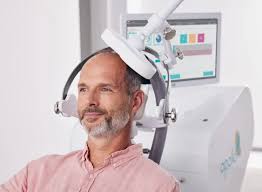
During a TMS session, patients may notice a tapping or clicking sensation on the scalp, usually where the magnetic coil is positioned. Some people describe it as a mild tingling or slight pressure, while others report temporary discomfort in the jaw or forehead muscles. The intensity of these sensations is generally manageable and usually decreases over subsequent sessions. Clinics offering tms near me often adjust the pulse strength and coil placement to minimize discomfort while maintaining treatment effectiveness.
Factors Affecting Discomfort
Several factors can influence how a patient experiences TMS. Skull thickness, sensitivity of the scalp, and individual pain thresholds can all affect perception. Additionally, initial sessions may feel more pronounced as the brain and scalp adjust to stimulation. Healthcare providers typically conduct a mapping session to determine the optimal stimulation site and intensity, which also helps reduce any unnecessary discomfort during subsequent treatments.
Comparing TMS to Other Treatments
For many patients, tms near me is less intrusive and uncomfortable than alternative treatments for major depressive disorder or anxiety. Oral medications can cause systemic side effects such as nausea, weight changes, and drowsiness, whereas TMS targets brain circuits locally. Unlike electroconvulsive therapy (ECT), TMS does not require anesthesia or induce seizures, making it a non-sedating option with minimal recovery time.
Tips for Enhancing Comfort
Patients can improve comfort during TMS sessions by maintaining good posture, relaxing facial and neck muscles, and communicating with their provider about any discomfort. Many clinics, including those listed on tmstherapynearme.com, encourage open dialogue during treatment so that adjustments can be made in real-time. This proactive approach helps ensure that patients feel safe and supported throughout their treatment course.
Safety and Side Effects
TMS is FDA-approved and considered safe when administered by trained professionals. Temporary side effects may include mild scalp irritation, light headache, or tingling sensations, but these typically resolve shortly after each session. Serious adverse events are extremely rare, making tms near me a low-risk treatment for those seeking alternatives to medication or psychotherapy.
Scientific Basis and Effectiveness
The therapy works by inducing small electrical currents in targeted brain regions, stimulating neural activity without invasive procedures. This mechanism, rooted in neurostimulation, has been shown to improve symptoms of depression, anxiety, and other mood disorders over time. For patients curious about the scientific principles behind TMS, exploring topics such as neurostimulation can provide further insight into how these non-invasive pulses affect brain function.
Conclusion
In summary, tms near me is generally not considered painful, though mild scalp sensations or slight pressure may occur. The procedure’s non-invasive nature, combined with careful adjustment by trained providers, ensures comfort and safety for most patients. By using resources like tmstherapynearme.com to locate experienced clinics, individuals can receive TMS therapy with minimal discomfort while benefiting from its clinically validated effects on mood and mental health.