order custom gears from a gear machining
Ordering custom gears from a gear machining provider requires a systematic approach to ensure you receive components that perfectly meet your application’s specific demands. The process isn’t merely about requesting a gear; it involves clear communication, precise technical specifications, and a good understanding of your needs. When embarking on Gear Machining & Custom Gear Production, your initial step should always be to thoroughly define the purpose and operational environment of the gear. This foundational understanding will guide all subsequent decisions and interactions with your chosen provider.
The first crucial piece of information you’ll need to provide is the gear type. Is it a spur gear, helical, bevel, worm, or something more specialized? Each type serves a distinct purpose and has unique manufacturing considerations. Alongside the type, material selection is paramount. Factors like strength, wear resistance, corrosion resistance, and operating temperature will dictate whether you need steel, bronze, plastic, or an exotic alloy. Clearly communicating these requirements ensures the gear machining provider can recommend and work with the appropriate material.
Next, you must furnish detailed dimensional specifications. This includes the gear’s outer diameter, bore diameter, face width, number of teeth, and pitch (diametral pitch or module). For helical or bevel gears, the helix angle or pressure angle will also be critical. Providing technical drawings, preferably CAD files, is highly recommended as it eliminates ambiguity and allows the gear machining provider to precisely understand your design intent for custom gear production. Any special features, such as keyways, splines, or mounting holes, should also be clearly indicated.
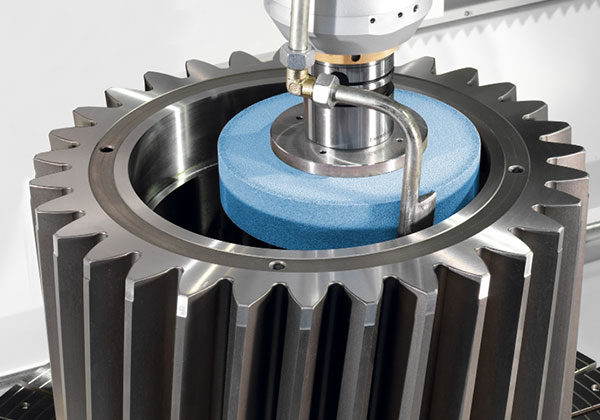
How to order custom gears from a gear machining provider?
It’s also vital to specify the precision requirements for your custom gears. Are you looking for commercial grade, or do you need a higher level of accuracy for high-speed or precision applications? The desired AGMA quality level (American Gear Manufacturers Association) is a good standard to communicate this. Furthermore, consider any post-machining treatments like heat treatment for hardness, surface coatings for wear resistance, or grinding for tighter tolerances. These details directly impact both the manufacturing process and the final cost of your Gear Machining & Custom Gear Production project. For secure power transfer, remember to also specify shaft key sizes if the gear is to be mounted on a keyed shaft.
Don’t overlook the quantity needed and your desired delivery timeline. While Gear Machining & Custom Gear Production can handle both prototypes and production runs, the volume often influences the manufacturing methods employed and the unit cost. Clearly state if you have an urgent deadline, as this may necessitate expedited services. Establishing a realistic timeline upfront helps manage expectations and ensures the provider can allocate resources effectively.
Finally, establish a clear line of communication with your chosen gear machining provider. Be prepared to answer questions and potentially revise specifications based on their expertise. A reputable provider will often offer design assistance and material recommendations to optimize your custom gear. By meticulously preparing your requirements and fostering open dialogue, you can ensure a successful outcome for your custom gear production needs, resulting in high-quality components that integrate seamlessly into your mechanical systems.