tyre scrap be used in rubberized asphalt
Tyre scrap can be effectively used in rubberized asphalt, offering a sustainable solution for road construction while addressing the growing problem of tyre waste. Rubberized asphalt is a mixture of traditional asphalt and recycled rubber from tyre scrap, creating a more durable and flexible road surface. This innovative material enhances the performance and longevity of roadways, making them more resistant to cracking and weathering. By incorporating tyre scrap into asphalt, governments and construction companies can reduce landfill waste, lower road maintenance costs, and promote eco-friendly infrastructure development. The use of tyre scrap in rubberized asphalt has been gaining popularity worldwide as part of broader efforts to promote sustainable road construction practices.
The process of making rubberized asphalt begins with the collection and shredding of tyre scrap. The discarded tyres are processed into small rubber granules or crumb rubber, which are then blended with liquid asphalt binder. The rubber particles enhance the elasticity and flexibility of the asphalt mixture, making it more resilient to temperature fluctuations and heavy traffic loads. This rubberized mixture is then applied to roads using conventional paving equipment, creating a smoother and more durable surface. The use of tyre scrap in asphalt also reduces noise pollution, as rubberized road surfaces absorb sound waves more effectively than traditional asphalt.
One of the key benefits of using tyre scrap in rubberized asphalt is its superior resistance to cracking and rutting. The flexibility of the rubber particles allows the asphalt to expand and contract with changing temperatures, reducing the risk of surface cracks. This increased durability extends the lifespan of roadways, reducing the need for frequent repairs and maintenance. Additionally, rubberized asphalt offers better skid resistance, improving road safety, especially in wet or slippery conditions. These performance advantages make rubberized asphalt a cost-effective and reliable choice for road construction projects.
Shop online for wholesale tyre scrap? Global Sources has a full-scale list of wholesale tyre scrap products at factory prices featured by verified wholesalers & manufacturers from China, India, Korea, and other countries to satisfy all the requirements! Industrial tyre scrap come in different types and are suitable for both forklifts and loaders, as well as farm equipment. They’re created from tough materials to take massive loads and rough terrain; some manufacturers even go out of their way to use reinforced designs. Wholesale buyers can get directly from the manufacturer to keep costs very low while ensuring that good quality is maintained. You can even request custom sizes or materials from OEM and ODM services, making these quite flexible options for wholesale buyers as well.
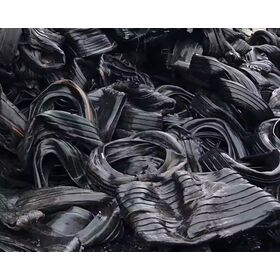
Can tyre scrap be used in rubberized asphalt?
Using tyre scrap in rubberized asphalt also offers significant environmental benefits. By recycling tyre scrap into road construction materials, millions of used tyres are diverted from landfills each year. This reduces the environmental impact of tyre waste, which can take decades to decompose. Additionally, rubberized asphalt pavements have a lower carbon footprint, as they require less energy during production and contribute to lower emissions over the road’s lifespan. The enhanced durability of rubberized asphalt also means fewer resources are needed for road repairs, further promoting sustainability.
Moreover, the cost-effectiveness of rubberized asphalt makes it an attractive option for large-scale road construction projects. Although the initial production cost of rubberized asphalt may be slightly higher than traditional asphalt, the long-term savings in maintenance and repair costs make it a more economical choice. Roads paved with rubberized asphalt have a longer lifespan, reducing the need for frequent resurfacing and reconstruction. This cost efficiency, combined with the environmental benefits, is driving the growing adoption of rubberized asphalt in many countries.
In conclusion, tyre scrap is a valuable resource for the production of rubberized asphalt, offering a sustainable and cost-effective solution for road construction. The durability, flexibility, and noise-reducing properties of rubberized asphalt make it an ideal choice for building long-lasting and eco-friendly roadways. By incorporating tyre scrap into asphalt, governments and construction companies can reduce tyre waste, promote recycling, and build more resilient infrastructure. As the demand for sustainable construction materials continues to grow, the use of tyre scrap in rubberized asphalt is expected to become even more widespread, contributing to a greener and more efficient road network.