post-inflammatory pigmentation
Post-inflammatory pigmentation (PIH) is a common skin concern that occurs after inflammation or injury to the skin. It often appears as dark spots or uneven patches that remain long after acne, eczema, burns, or other irritations have healed. This discoloration can be frustrating, especially for those with medium to dark skin tones, as the marks may take months or even years to fade naturally. In recent years, treatments like the Skin Brightening Drip have gained popularity for their potential to address pigmentation and restore a more even complexion. But can this treatment really help with post-inflammatory pigmentation?
A Skin Brightening Drip is an intravenous infusion that delivers a concentrated mix of antioxidants, vitamins, and other nutrients directly into the bloodstream. The main ingredient in most of these drips is glutathione, a powerful antioxidant that the body naturally produces to combat free radicals and detoxify cells. Glutathione has been widely studied for its skin-lightening properties, as it works by inhibiting the enzyme tyrosinase, which plays a key role in melanin production. By reducing excess melanin, glutathione helps lighten dark spots, even out skin tone, and promote a brighter appearance overall.
When it comes to post-inflammatory pigmentation, the Skin Brightening Drip may help by targeting the overproduction of melanin caused by inflammation. During the healing process of acne or skin injury, inflammation stimulates melanocytes—cells that produce melanin—to generate more pigment in the affected area. The antioxidants and vitamins in the drip work from within to balance this process, reducing oxidative stress and helping the skin return to its natural tone. Additionally, vitamin C, which is commonly paired with glutathione in these drips, enhances the antioxidant effects and supports collagen production, contributing to overall skin rejuvenation.
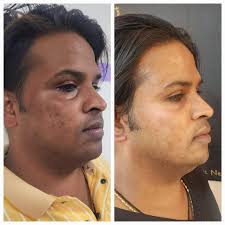
Can it help with post-inflammatory pigmentation?
The treatment’s appeal lies in how it works from the inside out. Instead of acting only on the surface, as topical products do, a Skin Brightening Drip nourishes cells throughout the body, supporting healthier skin regeneration. Vitamin C, another key component, not only enhances glutathione’s effects but also stimulates collagen production and protects skin from free-radical damage caused by sun exposure and pollution. Together, these nutrients can gradually fade pigmentation while improving the skin’s radiance and texture.
Many individuals who undergo regular drip sessions report smoother, clearer skin and a visible reduction in dark marks. However, results are not instant; they tend to appear progressively over several weeks or months. Consistency, combined with good skincare habits like sunscreen use, hydration, and proper exfoliation, plays a major role in maintaining improvements. People with deeper or long-standing pigmentation might need additional sessions or complementary treatments, such as chemical peels or laser therapy, for optimal outcomes.
It’s also vital to emphasize that the Skin Brightening Drip must be administered under medical supervision. Each person’s skin type, overall health, and medical history influence how well the treatment works and whether it’s safe. Overuse or unregulated formulas can carry risks, such as allergic reactions or nutrient imbalances. A licensed healthcare professional can adjust the dosage, frequency, and combination of vitamins to match individual needs safely.
In conclusion, a Skin Brightening Drip can help reduce post-inflammatory pigmentation by slowing melanin production and enhancing the skin’s natural repair process. When administered properly and paired with a balanced skincare routine, it can offer noticeable brightening effects and a healthier glow. While it’s not a miracle cure, its antioxidant-rich formula provides a powerful internal approach to achieving clearer, more even-toned skin over time.